
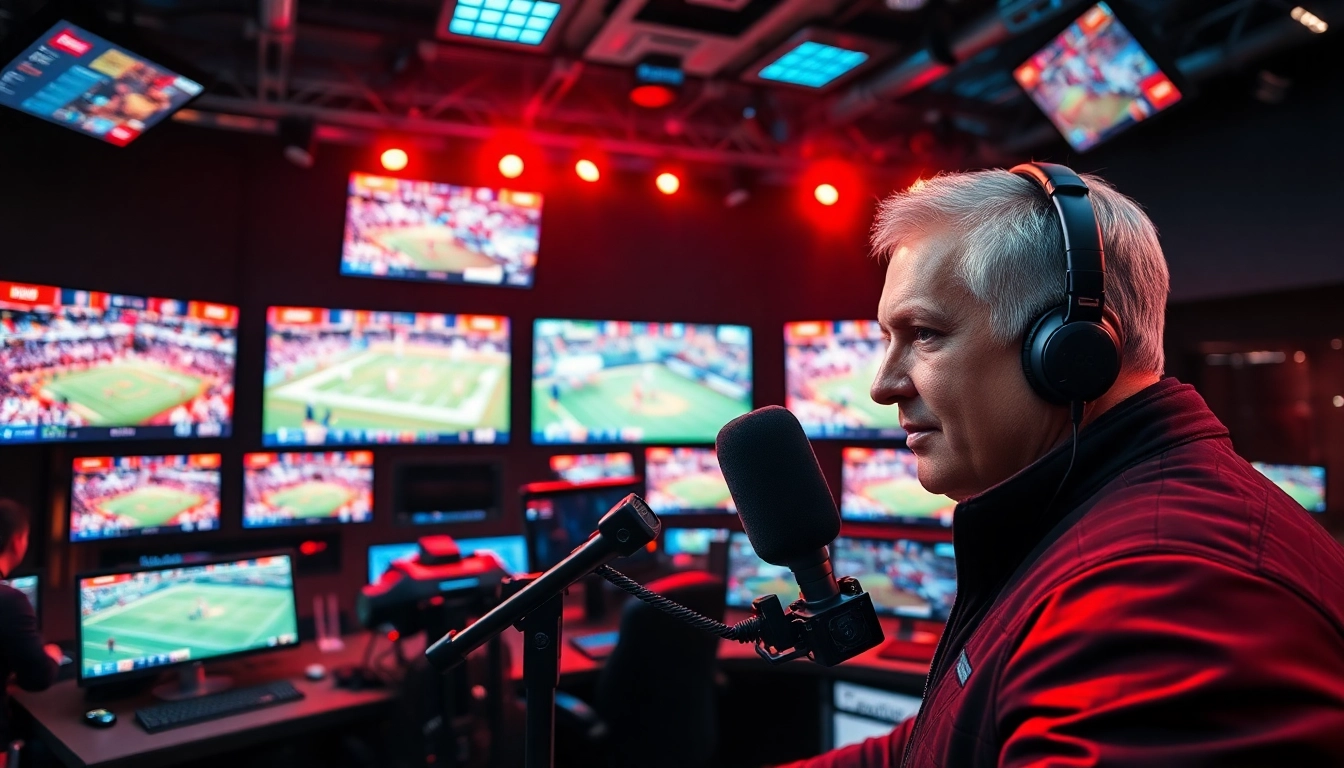
The Evolution of Sports Broadcasting
Historical Overview of Sports Broadcasting
Sports broadcasting has undergone a remarkable transformation since its inception in the early 20th century. The journey began with radio broadcasts in the 1920s, allowing fans to listen to live sports events from the comfort of their homes. This innovation set the stage for a revolution in how sports could be consumed, echoing the excitement of live events across the airwaves. In the 1930s, television emerged as a powerful medium, forever changing the landscape. The first televised sporting events drew massive viewership, transforming athletes into household names.
As technology advanced, so did the quality and reach of sports broadcasting. The late 20th century saw the introduction of cable television, broadening the scope of available sports coverage. Networks began to specialize in sports, such as ESPN, proving that dedicated broadcasting channels could thrive. This era also marked the transition from basic coverage to more elaborate production values, with commentary, analysis, and multiple camera angles enhancing the viewer experience.
Technological Advancements in the Industry
The advent of the internet and streaming technology in the 21st century marked another significant milestone in sports broadcasting. Online platforms became viable alternatives to traditional cable, providing access to live events anytime, anywhere. The rise of smartphones and tablets further facilitated this shift, allowing audiences to watch games on the go.
Moreover, the integration of augmented reality (AR) and virtual reality (VR) technologies has enhanced viewer engagement. Imagining a world where fans can experience events from their homes as if they were in the stadium is closer to reality than ever before. These innovations are continuously reshaping how games are presented and consumed, offering a glimpse into the future of interactive viewing experiences in Sports Broadcasting.
Current Trends Shaping Sports Broadcasting
Today, sports broadcasting is at the crossroads of innovation and tradition, grappling with ongoing changes in viewer habits and technology. The use of data analytics has grown considerably, allowing networks to deliver tailored content based on viewer preferences. Metrics such as viewer engagement and demographic shifts are essential for broadcasters looking to remain relevant.
Additionally, the popularity of social media platforms has changed how fans interact with sports content. Real-time highlights, behind-the-scenes access, and fan-generated content have all contributed to a more dynamic viewing experience. The conversation around events no longer remains confined to traditional media, as fans actively participate in discussions across various platforms.
Understanding Sports Broadcasting Audiences
Diverse Viewership Demographics
Understanding the demographics of sports broadcasting audiences is vital for broadcasters aiming to create engaging content. The traditional sports viewer is no longer the only segment of the audience; women, young adults, and diverse ethnic groups are increasingly important. This diversification requires broadcasters to rethink their strategies and consider how they can cater to a wider array of interests and preferences.
For instance, younger audiences may prefer short, highlight-driven content, while older viewers might appreciate longer, in-depth analyses. By identifying and understanding these demographic shifts, broadcasters can tailor their programming to serve all segments of their audience effectively.
Engagement Metrics and Analytics
Metrics play an essential role in evaluating the success of sports broadcasts. Engagement metrics such as viewer retention, peak viewership, and social media interactions provide insights that help broadcasters refine their strategies. Advanced analytics tools can also help track patterns and preferences, enabling content creators to better respond to audience demands.
Leveraging data analytics allows broadcasters to adapt their content proactively, ensuring that it aligns with current trends and engages viewers meaningfully. Whether through interactive content, on-screen statistics, or fan polls during live games, utilizing engagement metrics will be fundamental for optimizing audience interaction.
Tailoring Content for Different Audiences
To maximize audience engagement, it is crucial for broadcasters to develop content that caters to various audience segments. Personalization has become paramount; by utilizing audience data, broadcasters can offer content that aligns with viewers’ tastes and preferences.
This might involve creating bespoke segments for different demographic groups, such as content that highlights diverse athletes or thematic programming that resonates with younger audiences. Additionally, collaborations with influencers and social media personalities can foster a connection with the audience, encouraging broader participation and extended reach.
Challenges in Sports Broadcasting
Addressing Content Delivery Issues
Despite the technological advancements, challenges in content delivery continue to impede the growth of sports broadcasting. Issues such as buffering, low-quality video, and latency can detract from the viewer experience. Broadcasters need to invest in high-quality streaming infrastructure to ensure seamless delivery that meets viewer expectations.
Additionally, the prevalence of multiple devices means that broadcasters must ensure compatibility across various platforms, whether on smart TVs or mobile devices. A smooth and engaging viewing experience is essential for retaining viewers in an increasingly competitive marketplace.
Understanding Legal and Regulatory Considerations
The sports broadcasting industry is fraught with legal and regulatory complexities, including rights management and broadcasting licenses. Intellectual property issues can arise, particularly in a global landscape where content is shared across various platforms. Understanding these laws is crucial for broadcasters to safeguard their content and avoid legal repercussions.
Broadcasters must also navigate international broadcasting rights, which can restrict where and how content can be shared. Establishing clear agreements and adhering to local regulations is vital for maintaining compliance and ensuring that content is available to viewers legally and ethically.
Managing Audience Expectations
With the rise of digital media, audience expectations have shifted dramatically. Viewers demand more interactivity and personalization than ever before. Meeting these expectations requires a deep understanding of what the audience desires, including timely updates, in-depth analyses, and immersive experiences.
Additionally, broadcasters need to be proactive in addressing any issues that would negatively impact viewer perceptions—be it technical difficulties or programming conflicts. Transparent communication about broadcast plans and enhancements can help foster trust and keep audiences engaged.
Best Practices for Effective Sports Broadcasting
Utilizing Cutting-Edge Technology
Embracing emerging technologies is pivotal for sports broadcasters seeking to elevate the viewer experience. Technologies such as artificial intelligence (AI) and machine learning can analyze viewer preferences, optimize scheduling, and even personalize content delivery. These tech innovations are not only cost-efficient but also effective in developing engaging offerings tailored to audience behavior.
Furthermore, the integration of drones, 360-degree cameras, and augmented graphics can enhance broadcast storytelling and bring viewers closer to the action. By investing in advanced production technologies, broadcasters can create immersive experiences that differentiate them from competitors.
Building Engaging Storylines and Narratives
Creating compelling narratives around sports events is crucial for engaging audiences. Broadcasters should focus on storytelling—highlighting athlete journeys, rivalries, and historical contexts—to draw viewers deeper into the narrative of the event. This method not only creates more engaging content but also establishes an emotional connection with the audience.
Incorporating interviews, behind-the-scenes footage, and expert analysis can further enrich these narratives, contributing to a more comprehensive viewing experience. By treating each game as a chapter in a larger story, broadcasters can captivate viewers beyond the final score.
Creating Interactive Viewer Experiences
The shift towards interactivity in sports broadcasting promotes active engagement from the audience. Features such as live polls, interactive stats, and real-time chat forums can enhance the experience, making fans feel involved during broadcasts. By integrating these elements, broadcasters can transform viewing from a passive experience into an interactive event.
Encouraging audience participation through social media platforms also stimulates engagement—fans can share their opinions or memories, fostering a community dedicated to the sport. This sense of belonging boosts viewer loyalty, making them more likely to return for future broadcasts.
The Future of Sports Broadcasting
Emerging Platforms and Trends
The landscape of sports broadcasting continues to evolve, with new platforms and trends shaping its future. Streaming services are rapidly rising, challenging traditional cable networks while appealing to younger audiences who prefer on-demand content. As more viewers cut the cord, broadcasters must adapt to streaming-first approaches, ensuring their content is available across various platforms.
Additionally, innovations like blockchain technology promise to disrupt broadcasting by offering decentralized broadcasting structures, enabling content creators to monetize their offerings directly. Such platforms could alter the financial landscape of sports broadcasting, favoring both creators and audiences.
Innovative Content Strategies
To capture the attention of the next generation of sports fans, broadcasters must embrace innovative content strategies. Short-form content, such as highlight reels and viral clips, appeals significantly to younger demographics who favor quick, digestible content.
Esports, in particular, has emerged as a prominent trend—blurring the lines between traditional sports and digital gaming, expanding viewer demographics, and creating new monetization opportunities. By incorporating these evolving content strategies, broadcasters can ensure they remain ahead of the curve in a competitive market.
Predictions for the Industry’s Evolution
The future of sports broadcasting is likely to be characterized by personalization and interconnectedness. With advancements in AI, personalized viewing experiences will allow fans to select how, when, and what they want to watch. This kind of targeting will lead to higher satisfaction rates and stronger connections between broadcasters and their audiences.
Moreover, the integration of IoT devices in sports viewing is set to increase. Smart TVs and connected devices will offer curated content based on viewing habits, creating a more unified broadcast experience. These trends signify that the industry is on the cusp of a profound evolution, leveraging technology to craft a future that prioritizes viewer needs.
Frequently Asked Questions
What are the key technologies shaping sports broadcasting?
Key technologies include high-definition video, streaming services, and augmented reality, enhancing viewer experiences.
How can I engage sports broadcasting audiences effectively?
By analyzing audience demographics and preferences, you can tailor content and interaction strategies to enhance engagement.
What are common challenges in sports broadcasting?
Challenges include maintaining content quality, navigating regulatory issues, and managing audience expectations during broadcasts.
How has the landscape of sports broadcasting changed?
The landscape has evolved with technological advancements, diversified platforms, and increasing viewer interactivity, shifting audience engagement.
What future trends should I watch in sports broadcasting?
Watch for more interactive engagement, further integration of AI, personalized viewing experiences, and the growth of alternative streaming services.